
rebeccavos

Webinar 4/2/26: Pure tone audiometry – optimising Audiology’s foundational test

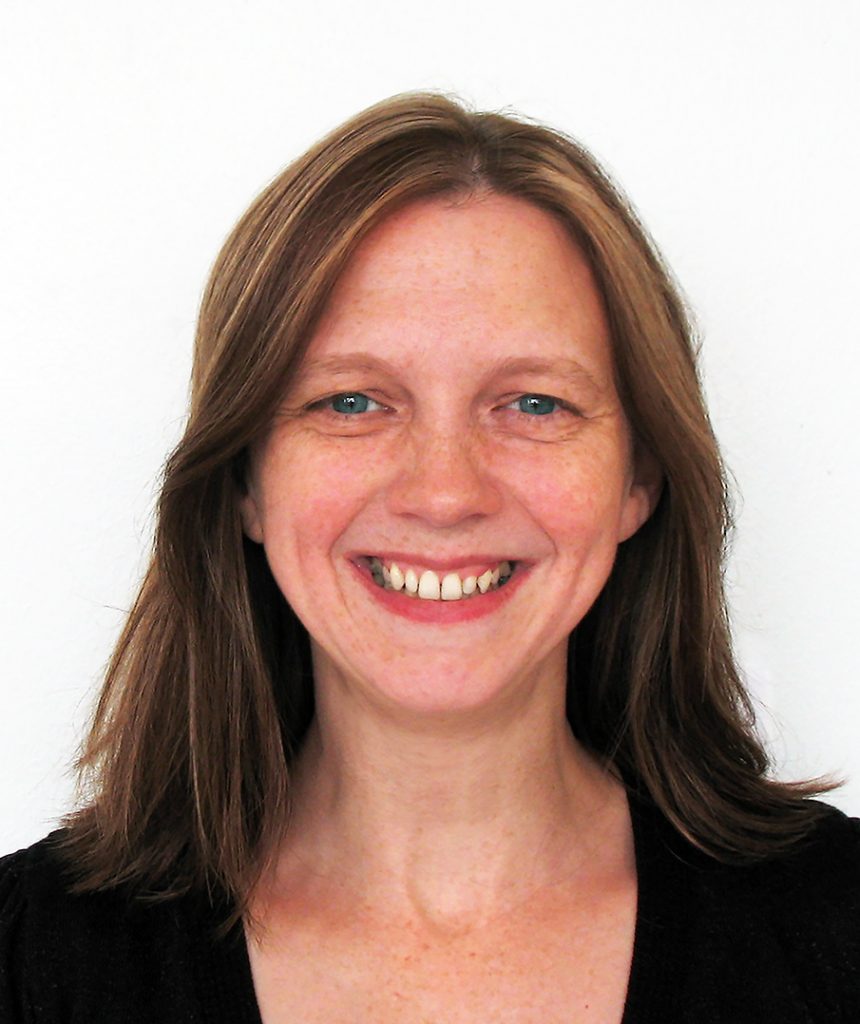
Speaker: Dr Siobhán Brennan, Manchester Centre for Audiology and Deafness Wed 4th February 12:00 – 13:00 UK time. This seminar will be held in person in Newton 241 and online via Microsoft Teams. Abstract Pure Tone Audiometry is one of the cornerstones of audiological practice.  The British Society of Audiology guidance on this technique is […]

Image of Keren Maclennan

Webinar 24/9/25: Autistic experiences of auditory environments

Speaker: Dr Keren MacLennan, University of Bath Wed 24th September 13:00 – 14:00 UK time. This seminar will be held online-only via Microsoft Teams. Abstract Autistic and other Neurodivergent people commonly experience sensory processing differences. This can bring heightened distress and/or enjoyment in a range of different environments. There are many complexities related to experiences, for […]

Webinar 14/5/25: Soundscapy: Open Source Software in Soundscape

Speaker: Andrew Mitchell, University College London Wed 14th May 12:00 – 13:00 UK time. This seminar will be held in person in Peel 102 and you can join us online via Microsoft Teams. Abstract This seminar explores the development and application of open source software tools for soundscape analysis and assessment. Drawing from my experience […]

Webinar 23/04/25: Access as Artistic Resources

Speaker: Jay Afrisando, University of California, Santa Cruz Wed 23rd April 12:00 – 13:00 UK time. This seminar will be held in person in Peel 109 and you can join us online via Microsoft Teams. Abstract Often, access is treated as an afterthought in the artistic process, but what if we incorporate it from the […]

Image of Jack Wilson

Webinar 26/2/25: The Role of Sound Localisation in Demonstrative Reference

Speaker: Jack Wilson, University of Salford Wed 26th February 12:00 – 13:00 UK time. This seminar will be held in person in Gilbert 1 and you can join us online via Microsoft Teams. Abstract Demonstratives are words like ‘this’ and ‘that’ in English. In the world’s languages, demonstratives tend to come in (at least) pairs, […]